
Booking a Photographer Across Borders: How Multi-Currency Payments Actually Work

Key Takeaways:
- The Cross-Border Friction: Sending money directly to an international vendor typically triggers high bank fees, 3%–6% retail exchange markups above the mid-market rate, and irreversible deposit losses if plans change or a provider cancels.
- How Konnetta Solves It: You review upfront pricing packages and pay with standard debit/credit cards in your home currency. Funds stay safely locked in neutral escrow throughout the project window.
- Guaranteed Local Settlement: Service providers are paid in their domestic currency (e.g., Nigerian Naira, South African Rand) directly into their digital wallet once work is completed, removing foreign account hurdles.
- Zero Administrative Clutter: No foreign bank accounts, remittance wiring apps, SWIFT routing codes, or sharing sensitive personal banking information over chat apps.
- Target Audience: Diaspora visitors, vacationers, and remote teams booking verified creative, culinary, and beauty professionals across Nigeria, South Africa, Ghana, and Kenya.
- Core Protection Rule: Always lock in an all-inclusive scope in writing (covering edits, travel allowances, or grocery receipts), decline terminal conversion markups on-site, and never wire unprotected deposits directly to personal accounts.
You are counting down the days to your trip to Lagos for holiday festivities and you have found an exceptional portrait photographer for an extended family session. Or perhaps you are in Houston organizing a milestone birthday celebration at a seaside villa in Cape Town, and your chosen private chef has submitted a quote in South African Rand.
Finding the talent is exciting. Paying them from thousands of miles away is where the headache begins.
Should you attempt an international wire transfer? Download an unfamiliar third-party money transfer app? Figure out how to send Nigerian Naira or South African Rand yourself? What exchange rate are you actually getting, and what happens to your hard-earned deposit if your flight is delayed or the provider cancels?
Navigating cross-border transactions for independent services should not require a finance degree. Here is an honest breakdown of how international payments for creative services work, the hidden fees to watch out for, and how to pay safely in your own currency.
Neither party has to navigate complicated banking networks, manage exchange volatility, or exchange sensitive personal banking details over chat apps.
Why Paying a Vendor Abroad Is Harder Than It Should Be
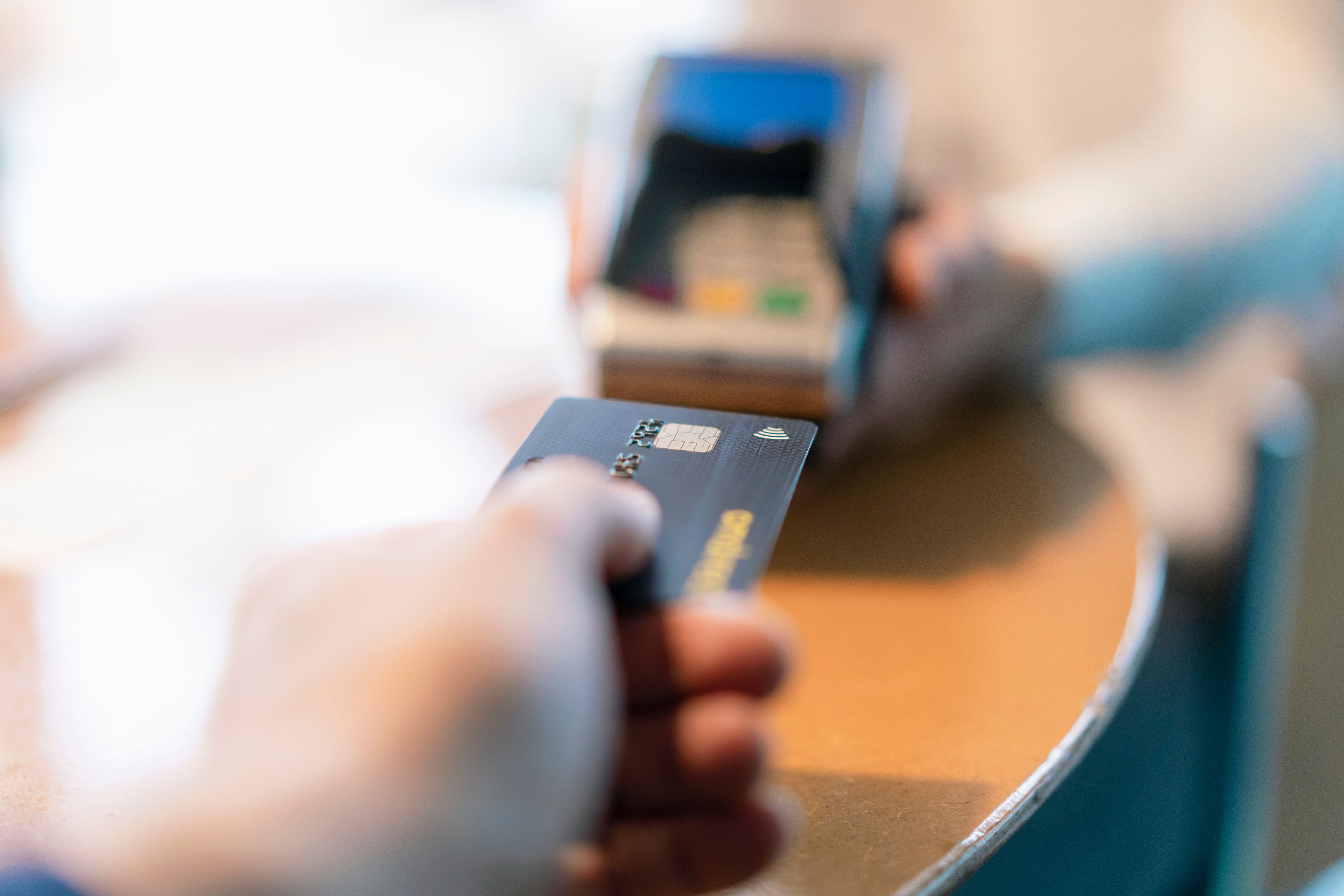
International commerce for physical goods is relatively streamlined, but paying independent service professionals across borders remains fraught with operational bottlenecks. If you try to pay a foreign vendor directly, you will likely hit five common barriers:
1. Slow and Unpredictable Bank Transfers
A traditional international telegraphic transfer (SWIFT) can take anywhere from three to seven business days to settle. Along the way, your domestic bank, an intermediary routing bank, and the vendor’s local receiving bank often shave off intermediary service charges. As a result, the vendor frequently receives less money than you intended to send, sparking awkward conversations over who covers the missing balance.
2. The Hidden "Exchange Rate Markup"
When you search a currency pair on Google, you see the mid-market exchange rate—the true midpoint between global buy and sell prices. However, commercial banks and retail wire applications rarely offer this rate. Instead, they add a 3% to 6% markup to the exchange rate on top of their upfront transaction fees. This hidden spread quietly inflates the overall cost of your booking.
3. Card Payment Declines and Fraud Blocks
Attempting to pay directly on a foreign website, point-of-sale portal, or local invoice link often triggers immediate anti-fraud security blocks from your home bank. Many regional payment gateways in destination countries do not support foreign-issued credit cards, leaving you stranded at the payment stage.
4. Recipient Currency Limitations
Most independent freelancers (from makeup artists to videographers) corporate out of domestic business accounts. They cannot easily open foreign currency domiciliary accounts or accept incoming US Dollar, British Pound, or Euro wires without onerous documentation and steep local bank clearing fees. They naturally request payment in local currency, which requires you to figure out the conversion on your own.
5. Zero Consumer Protection on Personal Deposits
The biggest vulnerability is security. When you wire a 50% deposit directly to a personal bank account via a peer-to-peer money app, you surrender all transactional leverage. If plans change, dates clash, or the provider fails to appear, your chances of recovering those funds rely entirely on that individual's goodwill.
Comparing the Three Common Payment Methods
When paying an independent service provider overseas, clients generally rely on three methods. Each carries distinct operational trade-offs:
Method 1: Traditional International Bank Wire (SWIFT)
- Processing Speed: Slow (typically takes 3 to 5 business days to clear).
- Cost Profile: Expensive. Expect fixed sender bank fees, potential intermediary deductions ($15 to $30 USD), receiving bank fees, and a wide foreign exchange markup.
- Recourse if Cancelled: Extremely difficult. Bank transfers are permanent, and initiating an international recall rarely succeeds once funds are credited.
Method 2: Remittance Apps Sent to a Personal Account
- Processing Speed: Fast (often clearing within minutes or hours).
- Cost Profile: Moderate. Lower upfront transfer fees, but hidden costs remain buried within retail exchange rate spreads.
- Recourse if Cancelled: Nil. Once funds arrive in a personal account, the remittance provider considers the transaction complete and will not intervene in commercial service disputes.
Method 3: Managed Booking Marketplace with Escrow (Konnetta)
- Processing Speed: Instant at online checkout using standard credit or debit cards.
- Cost Profile: Transparent. The exact total in your domestic currency is calculated and presented before you click confirm.
- Recourse if Cancelled: Completely protected. Funds remain secured in platform escrow and are only disbursed upon successful delivery of the service, allowing platform support to reassign a replacement or refund you immediately if issues arise.

How Multi-Currency Escrow Payments Work on Konnetta
Konnetta bridges the gap between international clients and local professionals by functioning as a multi-currency clearinghouse paired with automated escrow protection.
Here is how the payment workflow operates step by step:
- Review Local Packages with Clear Terms: Vendors list standardized packages outlining exact deliverables, session lengths, and transparent pricing in their local currency.
- Checkout in Your Familiar Currency: You choose your preferred currency at checkout (such as US Dollars, British Pounds, or Euros). The platform calculates the conversion clearly upfront, meaning you never have to guess what will appear on your monthly credit card statement.
- Your Funds Enter Protected Escrow: Your payment is not handed over to the vendor immediately. Instead, it is locked securely in a neutral holding account. To understand the operational mechanics that safeguard your booking, read our guide on how escrow payments protect travel bookings.
- The Service Takes Place: You arrive for your vacation photoshoot, wedding glam session, or villa private dining experience with complete peace of mind.
- The Vendor Receives Domestic Payouts: Once the session is completed and marked fulfilled, the funds release automatically into the vendor's digital wallet in their domestic currency (such as Nigerian Naira or South African Rand), ready for instant bank withdrawal.
Practical Tips for Paying for Services Abroad
To prevent payment delays, unexpected bank charges, and awkward billing disputes, keep these practical rules in mind before booking:
- Get an All-Inclusive Quote in Writing: Never commit to an ambiguous rate like "starting from $200." Ensure your agreed package explicitly documents post-production editing, digital file counts, travel allowances, grocery expenses (for culinary bookings), and overtime charges.
- Never Wire Deposits to Personal Accounts: Avoid sending direct peer-to-peer transfers to an unverified vendor you have never met. Compare the risks in detail by reading booking via Instagram vs. a marketplace: what is safer?.
- Check the Mid-Market Rate Before Manual Conversions: If an independent vendor quotes you in local currency and you plan to pay manually, look up the currency pair on a reputable financial index to gauge the real market rate. This helps you identify whether your payment method is imposing an unreasonable conversion premium.
- Decline "Dynamic Currency Conversion" (DCC) on Physical Card Terminals: When paying in person at local restaurants or card terminals during your trip, the machine will often prompt: "Pay in Home Currency (USD/GBP) or Local Currency (ZAR/NGN)?" Always choose Local Currency. Allowing the local terminal to convert for you applies an aggressive retail exchange rate that costs significantly more than letting your home bank handle the conversion.
- Keep Payment, Chat, and Deliverables in One System: When invoices, agreements, and message threads live inside a centralized marketplace, you possess an unalterable audit trail if an emergency or scheduling conflict arises.

Real-World Example: Booking a Lagos Photoshoot from London
To see how this works in practice, imagine you live in London and want to book a two-hour sunset family portrait session in Lekki on December 27th:
- Discover & Compare: You browse verified photographers in Lagos, reviewing portfolios, past client ratings, and transparent session rates.
- Align on Details: You message your preferred creator to confirm location logistics, outfit recommendations, and turnaround times for high-resolution edits.
- Book in British Pounds: You confirm the booking and check out securely using your UK debit card in British Pounds (GBP). Your funds enter escrow holding.
- Enjoy the Session: You attend the family shoot in Lekki.
- Instant Local Settlement: After the session concludes and deliverables are confirmed, the photographer receives their payment directly in Nigerian Naira (NGN) without incurring foreign wire deduction fees.
Looking for private culinary talent instead? You can follow the exact same process to book verified private chefs in Cape Town ahead of your holiday stay.
Pay in Your Currency, Travel with Complete Confidence

Coordinating a memorable family portrait, a private villa dinner, or personal event styling abroad should be an enjoyable part of your travel planning not a source of payment anxiety.
Skip the unpredictable bank wires, avoid inflated foreign exchange markups, and protect your hard-earned travel budget with verified professionals and secure escrow protection.
Looking for bespoke services or managing a specific team budget? Simply post a job request with your destination, dates, and requirements, and let verified local professionals send tailored proposals straight to your dashboard.
Explore Verified Photographers in Lagos or Book Private Chefs in Cape Town Today!
Questions & answers
How do I pay someone in Nigeria from the UK?
The safest and most cost-effective way to pay an independent service professional in Nigeria from the United Kingdom is through a managed booking platform like Konnetta. You check out in British Pounds (GBP) using your regular UK debit or credit card, the funds are held securely in escrow, and the provider receives local settlement in Nigerian Naira (NGN) once the job is finished. This protects you from foreign transfer fees and unrecoverable personal deposits.
Is it safe to send a deposit abroad to a vendor?
Wiring an upfront deposit directly to a vendor’s personal bank account abroad is high risk if you have no prior working history with them. If the provider cancels, double-books, or fails to deliver, foreign bank transfers offer virtually no chargeback recourse. Using a platform with escrow holding guarantees that your deposit remains protected in neutral custody until the service is successfully rendered.
Should I pay in local currency or my currency?
When using an online booking platform with built-in multi-currency checkout (like Konnetta), paying in your home currency is ideal because the exact total is locked in upfront without hidden bank conversion surcharges. However, when paying on physical card machines while traveling abroad, you should always select the local currency rather than your home currency to avoid dynamic currency conversion markups.